Overview
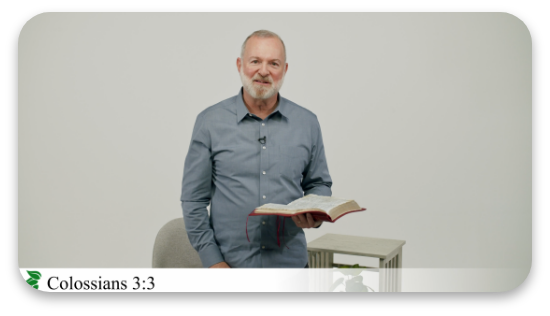
Chris Brown presents “God's Saving Mercy,” beginning with god bless you in the name of Jesus Christ. The teaching draws from Luke 10, Exodus 15, Psalm 59, Ephesians 2:5 and applies these truths to faith, spiritual growth, and daily Christian living.
Transcript
Understanding God's Saving Mercy
God bless you in the name of Jesus Christ. My name is Chris Brown and it is my joy to share on God's saving mercy. Please turn in your Bible to the Gospel of Luke chapter 10. Luke chapter 10. This topic of mercy is just huge in God's word. We can find mercy on the pages of our Bible from Genesis all the way through to Revelation. Mercy is an integral characteristic of God's love and of his very nature. We're going to read in Luke chapter 10 a record commonly referred to as the parable of the Good Samaritan.
As we read this and other records, in God's word, I encourage you to just take in what's being said in the scripture about this topic. Rather than maybe some things we hold in our head of what we think mercy might be, let's just allow these scriptures and the context surrounding mercy to speak for themselves. Maybe we'll see this in a different light, a brighter light than we did before. So here we go. Luke 10. We'll start in verse 30.
And Jesus answering said, a certain man went down from Jerusalem to Jericho and fell among thieves, which stripped him of his raiment and wounded him and departed, leaving him half dead. And by chance there came down a certain priest that way. And when he saw him, he passed by on the other side. So here's somebody that could have helped, probably should have helped, but chose not to. Verse 32. And likewise, a Levite, when he was at the place, came and looked on him and passed by on the other side. But a certain Samaritan, as he journeyed, came where he was.
The Biblical Foundation
And when he saw him, he had compassion on him. He had compassion. Compassion would be that inner heart yearning or motive that sees the affliction of somebody and wants to help, to do something to relieve that affliction. Compassion would be the inner heart motive that moves someone to an act of mercy. Verse 34. And went to him and bound up his wounds and pouring in oil and wine and set him on his own beast and brought him to an inn and took care of him.
And on the morrow, when he departed, he took out two pence and gave them to the host and said unto him, take care of him. And whatsoever thou spendest more, when I come again, I will repay thee. And Jesus responds to a lawyer asking a question in verse 36. Which now of these three thinkest thou was neighbor unto him that fell among the thieves? And he said, he that showed mercy on him. Then said Jesus unto him, go and do thou likewise.
Now this is a parable or a story, but I think it speaks volumes as to the nature of God's mercy. It's interesting to note here in verse 37, that this lawyer, when summarizing this whole account of the Samaritan's actions to care for this man in need, this afflicted man, all that he did lovingly out of compassion, the word he chose to summarize all of that was mercy. He showed mercy. Well, right there is a mind picture for you of mercy. If we want to know what mercy is, there it is.
Examples and Spiritual Lessons
So what are some of the components of this account here? Well, one, we had a man in need. He wasn't necessarily able to help himself. Two, we had another man who was prepared and able to help and willing to help. And he took action with compassion to relieve him of that affliction and take him out and put him into a better place. I encourage you to go to some of these records in God's word involving mercy.
And when you do, if you read the context, I'm confident you are going to see this same pattern time and time and time again, where mercy is involved. There will be somebody in bondage, in affliction, in an undesirable state. And then God or another person extending mercy comes in to help and relieve them from that affliction and to put them into a better place. And over and over, this is what happens. Fader's lexicon offers or renders, give these definitions of mercy here. Here's some excerpts.
Mercy is a readiness to help those in trouble, kindness or goodwill towards the miserable and afflicted joined with a desire to relieve them. So God and his mercy extends goodwill toward us, towards the miserable and afflicted. So he's there to help us in times of need. God is with us in the highs of life, the lows of life. He's there and he's an ever present help in time of trouble. Let's go to Exodus chapter 15. Way back in the Old Testament, the book of Exodus. We'll look at some other accounts of this.
Faith in Action
Now, the word we're going to look at for mercy in the Old Testament is the most common word in the Old Testament for mercy. The one we've been looking at in the New Testament is the most common Greek word for mercy in the New Testament. And in the Septuagint, which is the Greek Old Testament, that same Greek word that's used in the New Testament is rendered mercy in the Old Testament as well. So there is some layover. I can't say they're identical words, but they are used similarly.
Exodus 15 and in verse 13, Thou, God, in thy mercy hast led forth the people which thou hast redeemed. Thou hast guided them in thy strength unto thy holy habitation. Consider all God did to lead the children of Israel out of bondage in Egypt into the promised land. Look at all he did. Just think of the miracles involved. The Red Sea, the plagues, the defeating enemies, the cloud and the pillar of fire. The list goes on and on. God bared his right arm of strength to protect and fight for Israel. Miracles were performed.
And how does God say he did it? In his mercy. Thou in thy mercy has led forth the people which thou has redeemed. Thou has guided them in thy strength unto thy holy habitation, a better place. That's our God. His mercy is active. It's not a passive thing. Now there is forgiveness and mercy, but mercy goes beyond just forgiveness. Forgiveness can be an act of mercy, and at times that's just what's needed to meet the need.
Walking in Love and Confidence
And it may be just to get out of the bondage of condemnation just to know I'm forgiven of something is just what's needed in that situation. But most of the time when there's affliction involved, me just knowing that I'm forgiven is wonderful, but it still leaves me where I was. It doesn't necessarily get me out of my afflicted state, but mercy does. Mercy does. Mercy is active. God's mercy is proactive. That's why I titled this teaching God's Saving Mercy. It's not a passive thing. Wonderful. Well, let's look at another one here in the Old Testament.
Psalm 59, the book of Psalms 59, and we're going to look at verse 10. The God of my mercy shall prevent me. God shall let me see my desire upon mine enemies. This is David. He's hiding because his life is being sought. Saul is trying to kill him. He sent men to seek after him, to slay him. And David here is saying, the God of my mercy shall prevent me. God shall let me see my desire upon my enemies. In other words, God is going to see me victorious.
That's maybe a slightly different take on mercy than we've thought of before. In the same chapter, we'll go down to verse 16. But I will sing of thy power, yea, I will sing aloud of thy mercy in the morning. For thou has been my defense and refuge in the day of trouble. Again, we see an afflicted or a troubled state and God looking with compassion on that and doing something to relieve him. I will sing of thy power. I will sing aloud of thy mercy in the morning for thou has been my defense and refuge in the day of trouble.
Applying the Teaching in Daily Life
God fights for us in his mercy. He defeats the adversary in our lives in his mercy. God's mercy is powerful. It relieves us from affliction, from trouble, from bondage and brings us to a better place. If there's anything holding us back in our lives from us being who we want to be for our heavenly father, God wants the obstacle removed. He goes to bat for us and he moves those obstacles in his mercy, putting us where we want to be. Well, let's go to Ephesians. Ephesians chapter 2 back in the New Testament in the church epistles.
And we'll read, we'll just start in verse 5, Ephesians 2 5. Even when we were dead in sins, that's an afflicted state, wouldn't you say? We can't get much worse than that. At least the man in Luke on the road was half dead. Ephesians 2 5 says we were dead. So if we're looking for escape from judgment, this ain't it. God judged and God here says we were dead in sins, but yet God took additional steps once that declaration and he quickened us together with Christ. By grace you are saved.
Mercy so often leads beautifully right into grace and where one ends and the other begins. I don't know that we can always tell, but mercy leads into God's grace. Verse 6. And hath raised us up together and made us sit together in heavenly places in Christ Jesus. I would say that's a much better position than dead in sins, wouldn't you? That in the ages to come, he might show the exceeding riches of his grace and his kindness toward us through Christ Jesus.
A Life Shaped by God’s Word
So God mercy has led us from being dead in sins all the way to showing us kindness and the exceeding riches of his grace in the ages to come. God's mercy is huge and he is rich in mercy. He does not dole it out sparingly. He does it richly. I encourage you whenever you're challenged, if we're in a spot where we doubt our own ability to get through something or even if we don't, rely on God. Seek after his mercy and know that he is rich in it and always ready to help us in a time of need.
Key Takeaways
- God bless you in the name of Jesus Christ.
- My name is Chris Brown and it is my joy to share on God's saving mercy.
- Please turn in your Bible to the Gospel of Luke chapter 10.
- This topic of mercy is just huge in God's word.
- We can find mercy on the pages of our Bible from Genesis all the way through to Revelation.
Frequently Asked Questions
What is the main message of “God's Saving Mercy”?
Chris Brown presents “God's Saving Mercy,” beginning with god bless you in the name of Jesus Christ. The teaching draws from Luke 10, Exodus 15, Psalm 59, Ephesians 2:5 and applies these truths to faith, spiritual growth, and daily Christian living.
Which scriptures are central to this teaching?
The teaching draws especially from Luke 10, Exodus 15, Psalm 59, Ephesians 2:5.
How can believers apply this teaching?
We can find mercy on the pages of our Bible from Genesis all the way through to Revelation.
Scripture References
Luke 10; Exodus 15; Psalm 59; Ephesians 2:5
This text was prepared from the teaching audio or source document. Please verify scripture references against your own Bible.