Overview
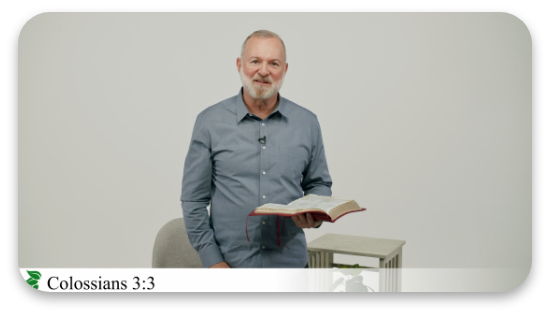
Rev. Rico Magnelli presents “Cheerful Giver,” beginning with god bless you in the wonderful name of Jesus Christ. The teaching draws from Psalm 50, Psalm 24, Proverbs 30, Acts 2 and applies these truths to faith, spiritual growth, and daily Christian living.
Transcript
Understanding Cheerful Giver
God bless you in the wonderful name of Jesus Christ. Please turn to Psalm 50. Let's consider cheerful giver. When it comes to giving, really all giving begins with God. Through his love and his grace, God provides for us his plenty, which is always more than enough. Then our giving to others is how we partner with God. We simply follow the principle, give from what God has already given. You know, it says in Psalm 24 that the earth is the Lord's and the fullness thereof.
When it comes to giving, it certainly begins with a recognition that everything physical and material really belongs to God. We are stewards. We're stewards of the physical and material, and we're stewards for a period of time. Here in Psalm 50 are some tremendous verses. In verse 10, it says, for every beast of the forest is mine, God says, and the cattle upon a thousand hills. I know all the fowls of the mountains and the wild beasts of the field are mine. If I were hungry, I would not tell thee, for the world is mine and the fullness thereof.
Will I eat the flesh of bulls or drink the blood of goats? Offer unto God thanksgiving and pay thy vows unto the Most High. Wow, man didn't come up with animals, though man may steward and utilize them for sure. Even the increase of the land, it all came from God. Even animals that were used for sacrifices, they all came from God. What God's really after is thanksgiving, is recognizing that he is the source of supply. Look at Deuteronomy chapter 8. Deuteronomy chapter 8. Deuteronomy was written in the 40th year of the children of Israel wandering in the wilderness by Moses.
In Deuteronomy chapter 8 is this wonderful truth regarding wealth and prosperity. Deuteronomy chapter 8 in verse 18. But thou shalt remember the Lord thy God for it is he that giveth thee power to get wealth that he may establish his covenant which he swear unto thy fathers as it is this day. We're never to forget the source of material prosperity. It's part of his promise to care for his people and that's very important. Not only is God the source, he also gives us the power to enjoy it. Look at Ecclesiastes, Psalms, Proverbs, Ecclesiastes. Ecclesiastes chapter 5.
He wants us to recognize that he's the source, but he also wants us to understand that he enjoys when we enjoy it. It's part of his blessing to us. In Ecclesiastes chapter 5 verse 19. Every man also to whom God hath given riches and wealth and have given him power to eat thereof or authority and to take his portion and to rejoice in his labor. This is the gift of God. Wow. So God also provides the authority, the power to benefit and rejoice in our labor and God considers this a gift. That gift can also benefit others.
Look at Proverbs 30. We want to keep the balance. So a couple of pages back, Proverbs 30. We want to keep the balance. In Proverbs 30 verse 7. Two things have I required of thee. Deny me them not before I die. Remove far from me vanity and lies. Give me neither poverty nor riches. Feed me with food convenient for me. Lest I be full and deny thee and say, who is the Lord? Or lest I be poor and steal and take the name of my God in vain. Balance in life.
It keeps us away from the extremes and the extremes is what takes God out of the picture in a situation. We want to always keep that balance. Look at first Timothy in light of giving physical and material things. First Timothy. In first Timothy chapter 6 is a great truth. Very simple but tremendously deep. First Timothy chapter 6 verse 7. For we brought nothing into this world and it is certain we can carry nothing out. I love that. Such a simple truth. All material and physical things gained in this life stay in this life.
They all came from the earth and can be traced back to it either directly or indirectly. But it must remain here. They all belong to God. We certainly are to be wise stewards. Not allowing the physical or the material to run our lives. But we want to recognize that all physical and material abundance and blessings, they all come from God. Look at Acts chapter 2 please. Acts chapter 2. So then what can I really call my own? Well certainly things that we have that God has given to us are our own. But they're own to steward and make decisions about.
The Biblical Foundation
But what I really really own that is mine is the gift of Holy Spirit. That's number one. As a born-again believer each of us has the gift of Holy Spirit. It's a gift from God. God created that Spirit within us. That Christ within you. That is a gift from God and God is never going to take it back because the gifts and the calling of God are without repentance. So that is definitely mine. And my mind, my free will, that is mine totally. And of course my physical body. And those are significant truths to understand as well.
You know the principle that we give from what God has already given us has been around for a long time. In the Old Testament times and through the law, God gave to his people from the land. And what the land could produce and sustain. So to follow the principle to give from what God has already given, a measured amount namely one-tenth from the increase of the land was returned to God of what he already gave. Later when other means of exchange were used, meaning some sort of currency, people gave that as well.
But after the first coming of Jesus Christ starting on Pentecost as recorded in Acts 2, what God has given his children through grace is first and foremost spiritual, not material or physical. Therefore it cannot be measured back to God in any conventional way. For example, how can we measure the benefit of eternal life? That'd be pretty difficult. Now one way to describe what God has given to his children is we are heirs of God, joint heirs with Christ as stated in Romans 8 17.
So that is we have a legal birthright with Christ to share and access the things of God. First Corinthians 3 22 says, a child of God is told that the world, meaning the ordered universe, life, meaning in all its facets and blessings, death, meaning the victory over it, things present, you know today right now, or things to come, meaning the future, are all ours. Wow. These are immeasurable truths to build an appreciation of what God has provided out of love.
So it's really clear we could never return to God in any conventional way, a measured amount based on what he has given. But what can we do then? Well this is where an understanding of grace, God's unmerited divine favor, can really help us and is at the very center of what it means to be a cheerful giver. Here in Acts chapter 2 is the beginning of the Christian church, and this last verse in chapter 2 has some great truth in it.
In chapter 2 verse 47 it says, praising God and having favor with all the people, and the Lord added to the church daily such as should be saved. The phrase having favor with all the people really could be understood as holding grace with a view toward other people, holding grace with a view toward other people. You see, we as Christian believers never let go of grace. We hold it. But with a view toward other people, grace is part of what we share together with other believers. This is how the Christian church began.
So the concept of grace embodies both thankful recognition to God and giving in love to others who have a need. It's a vertical and then a horizontal. It's beautiful. Look at second Corinthians chapter 9, please. Second Corinthians chapter 9. In second Corinthians chapter 9 is this wonderful verse, verse 12, second Corinthians chapter 9, that embodies this whole, these two concepts I just mentioned. Verse 12. For the administration of this service not only supplieth the want of the saints, but is abundant also by many thanksgivings unto God. The context here is giving to the believers. This is from the Amplified Bible.
For the service that the ministering of this fund renders does not only fully supply what is lacking to the saints, God's people, but it also overflows in many cries of thanksgiving to God. Wow. So here what we see is needs get met and there's many thanksgiving to God. First it's the giver who received the supply from God and then they give horizontally to a brother and the recipient is thankful to God. So all this thanksgiving is going on. Look at Romans chapter 12. Now when it comes to giving, love is the right motivation for giving, always.
Examples and Spiritual Lessons
God set the example by giving to us first out of love. Giving and love is definitely true freedom in living. In Romans chapter 12, let's look at verse 8. Or he that exhorteth on exhortation, he that giveth let him do it with simplicity. He that giveth let him do it with simplicity. The word giveth here can be used of spiritual or physical things. We can give both. And the word simplicity is the word for singleness and it makes sense because simplicity, it's like having one motive. It's very simple. One motive.
This word can be used of mental honesty, you know, no pretense. So when we give, we give from the heart. It's a unanimous decision of our heart. It's not a split decision. It's a unanimous decision. There's only one motive. In Romans chapter 12, verses 6 through 8, it notes different ways we contribute to the body of Christ and giving is certainly one way. But all these are to have one motive. And it's found in the next verse, verse 9. Verse 9, let love be without dissimulation.
All the giving, all the contributing to the body of Christ is to be done in love. And that love is to be without dissimulation. And the word dissimulation is hypocrisy. Look at first Corinthians 13. Love is the only motive for giving. And it's the only motive that benefits us when we give. Right here in first Corinthians. First Corinthians 13, verse 3.
And though I bestow all my goods to feed the poor, that means I give all my stuff away, and though I give my body to be burned, meaning in service, and have not charity, which is the word for love in the Greek, translated charity here, it profiteth me what? Nothing. It must be done in love. Giving freely is to be done out of love for the giver's benefit. Look at second Corinthians please. Grace is an open invitation to partner with God in everything.
And one way we partner with him is in thankful recognition of his supply in our life, which leads to giving in love to others who have a need. So the concept of grace, the concept of grace, embodies both thankful recognition to God and giving in love to others who have a need. Now the Corinthian church had begun by expressing a willingness to share grace in this way, but they had not carried it out. So Paul writes in second Corinthians his second letter to them. He's writing and he utilizes the example of the Macedonians. The Macedonians included the Philippians.
And he does that to help the Corinthians follow through on this giving. Now let's pick it up in second Corinthians chapter 8, verse 1. Moreover brethren, we do you to wit. It just means we want you to know. We want you to know the grace of God bestowed on the churches of Macedonia, how that in a great trial of affliction the abundance of their joy and their deep poverty abounded in the riches of their liberality. What this is talking about is the churches of Macedonia were given the grace of God and they knew exactly what to do.
They were going to give horizontally. Even though they were challenged and were under what this verse says trial of affliction, which is talking about mental pressure, they had an abundance of joy. The Macedonians are a great example of cheerful givers. Even under pressure they had great joy in their giving. And one of the reasons why is this next part that says deep poverty. Deep poverty is the principle that we give from what God has already given us. The Macedonians recognize that the earth is the Lord's and the fullness thereof.
They weren't, they were only giving what God had already given them. God's supply and their partnering with God in service was giving to others. That deep poverty was they were pulling from the resources of God and then they were just giving it to others. It came by way of grace. And then it says unto the riches of their liberality. The word liberality is again that simplicity, that singleness, that mental honesty. No pretense. They only have one motive and we know what that motive is, love.
Faith in Action
Verse three, for to their power I bear record, yea and beyond their power they were willing of themselves. Beyond their power is referring to like giving 110 percent. You know it's a figure of speech, you can't really give 110 percent, give your all, but they were willing to. Verse four, praying us with much entreaty that we would receive the gift and take upon us the fellowship of the ministry to the saints. The word gift is from the Greek word grace. It's the word grace.
So grace is used here to represent the understanding that God supplies to us all we need and we in turn can show care for others by sharing to meet a need. That's fantastic. Tremendous. The Greek word for grace shows up 10 times in 2nd Corinthians 8 and 9. 10 times. And these chapters deal with giving. 10 is significant here. One way of understanding this is the number 10 is made up of 5 times 2. 5 times 2. And 5 is the number for grace in the word of God. And 2 is the number for something that is established.
It's one way of understanding it. So what we have here is established grace. Established grace in the context of giving. And the established grace is when number one, thanks is given to God for his supply. And then number two, it's shared in love with others who have a need. There's the established grace. Vertical to horizontal. Look at verse 8. But I speak not by commandment but by occasion of the forwardness of others and to prove the sincerity of your love. Paul is saying that giving is not a commandment. It's not to be coerced. It's not to be an obligation.
He's using the example of the Macedonians to reach the Corinthian church. And reading the book of Philippians and Acts 16 about Paul and Philippi helps to understand some of the background that he's talking about here. He's pleading with the Corinthians to prove the sincerity of their love. To follow through with what they said they were going to do. Keep your finger here and look at Romans. Romans 15. In see this giving to Jerusalem, the saints. In Romans 15 in verse 25. But now I, Paul speaking, go unto Jerusalem to minister unto the saints.
For it have pleased them of Macedonia and Achaia. Achaia is reference to Greece, which would include the Corinthians. To make a certain contribution for the poor saints, meaning the saints that had a need, which are at Jerusalem. It hath pleased them verily, and their debtors they are. For if the Gentiles have been made partakers of their spiritual things, their duty is also to minister unto them in carnal things. When therefore I have performed this and have sealed to them this fruit, I will come by you into Spain. The Corinthians hadn't done it yet.
So Paul is encouraging them in 2nd Corinthians to follow through with this. And he is going to seal the fruit. The fruit is the giving, what was collected. And this is going to Jerusalem who had a specific need at this time. And it was to meet that need at that time. And it was not a permanent arrangement. Back to 2nd Corinthians. We left off in verse 8. Let's pick up in verse 9.
For ye know the grace of our Lord Jesus Christ, that though he was rich, yet for your sakes he became poor, that ye through his poverty might be rich. Now Paul is utilizing the example of our Lord and Savior, Jesus Christ. Jesus Christ is the only begotten Son of God. He was rich beyond measure as the Son of God. But as a servant of God, he was poor. He owned nothing. Just like we talked about in the previous verses of this chapter. He owned nothing. He allowed the master to supply his every need.
His poverty in service made us rich spiritually. It's beautiful. It says in Philippians chapter 2 verse 7, and made himself of no reputation and took upon the form of a servant. What that means is he emptied himself of reputation as the Son of God, rich beyond measure. And he took upon him the form of a servant. And that servant is the Greek word doulos. It's one who is bound by love to serve his master, who in turn the master supplies all his need.
Walking in Love and Confidence
In the example of Jesus Christ, what we find is when we make grace our own like Jesus Christ did, these two concepts of a Son of God and a servant of God, they just harmonized beautifully. So here in 2 Corinthians chapter 8, let's look at verse 16. What's happening here is Paul sends Titus, one of his protégés, back to Corinth with another brother to finish what Titus had started about a year previously in working with the Corinthians in the category of giving. And then eventually to help to transport this giving to Jerusalem.
Verse 16, but thanks be to God which put the same earnest care into the heart of Titus for you. For indeed he accepted the exhortation, but being more forward of his own accord, he went unto you. Thanks be to God. The word thanks is the word grace. So thanks goes to God, which is part of that grace. And in the heart of Titus, his earnest care for the people, we see the horizontal giving. And he did it of his own accord. He was exercising his free will. He willingly wanted to go. That's just beautiful.
Verse 18, and we have sent with him the brother whose praises in the gospel throughout all the churches. So there was an individual that went with who was very prominent in teaching and preaching the word. And not that only, but who was also chosen of the churches to travel with us with this grace, which is administered by us to the glory of the same Lord and declaration of your ready mind. They were to travel with this grace. So here the contribution is referred to again as grace itself.
God definitely gets the glory when giving is handled as a matter of grace. Now verse 20 and 21, avoiding this, that no man should blame us in this abundance, which is administered by us, providing for honest things, not only in the sight of the Lord, but also in the sight of men. So Paul and those who are with him did things up front. They did it honestly before God and men. So no one could blame them. Nothing could be levied against them for how they handled this giving.
Chapter nine, verse one, for us touching the ministering to the saints, it is superfluous for me to write to you, for I know the forwardness of your mind. They were willing for which I boast of you to them out Macedonia, that Achaia was ready a year ago, and your zeal hath provoked very many. So the Corinthians started moving. Most of Achaia, referring to Greece, was ready a year ago because Corinth had inspired many. So Paul is encouraging them to follow through.
Now verse six of chapter nine, but this I say, he which soweth sparingly shall reap also sparingly, and he which soweth bountifully shall reap also bountifully. Paul reminds the Corinthians of how nature works, regenerating plants season after season with unending consistency. It takes sowing, it takes reaping. What a great example, illustration. It's around us all everywhere. Verse seven, every man according is the purpose of in his heart, so let him give, not grudgingly or of necessity, for God loveth a cheerful giver. And here I'd like to read from the English Standard Version, verse seven.
Each one must give as he has decided in his heart, not reluctantly or under compulsion, for God loves a cheerful giver. And the Mazedonians were a great example of cheerful givers. Verse eight, and God is able to make all grace abound toward you, that ye always, having all sufficiency in all things, may abound to every good work. Wow. Grace is an open invitation to partner with God. One way we partner with him is in thankful recognition of his supply in our life, which leads to giving to others in love who have a need, and this is a good work.
Let's see this in Acts chapter four. The early Christians, before these letters to the Corinthians and Romans were written, the believers and disciples of the book of Acts were carrying these truths out. And here in Acts chapter four, great deliverance had happened, and bold teaching and preaching of the word, and the religious leaders brought the leadership before them and threatened them.
Applying the Teaching in Daily Life
So they came back to their company and they prayed to God, and they prayed for more boldness to speak the word, and following this prayer, they spoke the word boldly, and then we pick it up here in verse 32 of chapter four. And the multitude of them that believed were of one heart and of one soul, neither said any of them that of the things which he possessed was his own, but they had all things common.
There was an attitude of grace that affected how they looked at each other and how they looked at physical and material things, because it says here that neither said any of them that ought of the things which he possessed was his own. This is not saying that they had no personal property. What it reflects is the deeper attitude that the earth is the Lord's and the fullness thereof. We're stewards of the physical and material for a period of time. That's what it's talking about. The word common means not sacred.
It's in the sense of not bound or forbidden, you know, when something's forbidden or sacred, you can't touch it. What they're saying is when someone would think of something as exclusive or untouchable, that's not the attitude they had with their physical and material things. It has to do with an attitude toward what one has physically or materially. This word common, rather than a declaration that everything is owned by everyone, that's not what it is. It was private property that people stewarded, but the deeper truth is the Christian believers understood that it all belonged to God anyway. It wasn't communal.
So common does not violate the idea that if something is yours, you steward it and determine what to do with it. Absolutely not, because in the next chapter, Acts chapter 5, Peter is dealing with a couple and he identifies that the things that they had before they sold them and after they sold them was theirs. It was under their power to determine what to do with it. So it's clearly a principle. Now verse 33, and with great power gave the apostles witness of the resurrection of the Lord Jesus, and great grace was upon them all. It's beautiful.
And great grace was continually upon them, and it was upon them, a downward motion like heaven to earth, and it was upon them all. And it was grace that was brought down to meet the need. It permeated their attitude toward one another and towards physical and material things. Verse 34, neither was there any among them that lacked for as many as were possessors of lands or houses sold them and brought the prices of the things that were sold. Neither was any among them that lacked. The word lacked is needy, and here it's an adjective. It's a characteristic of a person.
It's not talking about somebody that has a need. It's talking about that no one had an attitude of neediness. What somebody that's needy is someone that focuses in on their need and not on the God who supplies their need. We all have need, but we're not all needy. We don't carry those needs around and focus on them. That would be someone that would be needy, like a characteristic describing somebody. And then it says possessors, which is owners, plural, of lands, plural, or houses, plural.
Why this is significant is because this is in response to those that were staying in Jerusalem after the day of Pentecost. There were thousands who had not planned to stay, but what happened is they received the gift of Holy Spirit, and all of a sudden, whoa, they wanted to stay around for the Word. So they only brought so much with them. So people had a need, and by the grace of God, they helped each other and took care of it.
Verse 35, and laid them down at the apostle's feet, and distribution was made unto every man according as he had need. This is a beautiful verse. There's three actions, three actions or verbs noted in this verse that the first century church did, and they did them continuously, continuously in this record. They laid down, they distributed, and according to need. This is a perfect balance of supply and demand because the laying down was done by more than one person. It's actually a plural verb. The distribution was done singularly, meaning one at a time. It's a singular verb.
A Life Shaped by God’s Word
As any had need, had is a singular verb, and need is also singular. So the need was singular, the distribution was singular, the giving was plural, and it was all continuous. Just absolutely fantastic. This is one of the great examples of grace, partnering with God, giving to others who had a need. All giving begins with God. He is the source. God provides for us his plenty, which is always more than enough, and then thanksgiving to God is the recognition that he is the source of that supply in our lives.
As the source, he really owns all material and physical things, and we steward what he supplies for a period of time. Grace embodies both thankful recognition to him and giving in love to others, as we've seen in these records. This holding grace with a view toward others is how the early church started. It's part of being a cheerful giver, and it involves the understanding of this grace, vertical and horizontal, and this is what Paul was endeavoring to help the believers of Corinth understand.
This understanding provides a sense of freedom in the heart of the child of God regarding physical and material things that nothing else can. God bless you.
Key Takeaways
- God bless you in the wonderful name of Jesus Christ.
- When it comes to giving, really all giving begins with God.
- Through his love and his grace, God provides for us his plenty, which is always more than enough.
- Then our giving to others is how we partner with God.
- We simply follow the principle, give from what God has already given.
Frequently Asked Questions
What is the main message of “Cheerful Giver”?
Rev. Rico Magnelli presents “Cheerful Giver,” beginning with god bless you in the wonderful name of Jesus Christ. The teaching draws from Psalm 50, Psalm 24, Proverbs 30, Acts 2 and applies these truths to faith, spiritual growth, and daily Christian living.
Which scriptures are central to this teaching?
The teaching draws especially from Psalm 50, Psalm 24, Proverbs 30, Acts 2, Romans 8:17, Acts 16, Romans 15.
How can believers apply this teaching?
We simply follow the principle, give from what God has already given.
Scripture References
Psalm 50; Psalm 24; Proverbs 30; Acts 2; Romans 8:17; Acts 16; Romans 15
This text was prepared from the teaching audio or source document. Please verify scripture references against your own Bible.