Overview
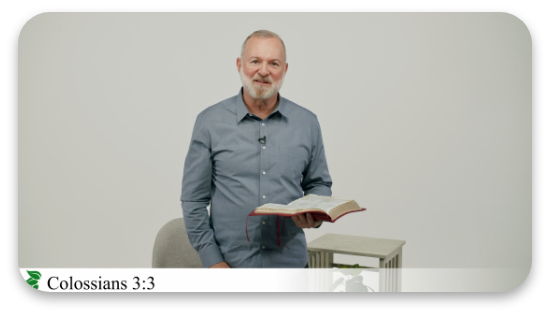
This teaching examines “Fearing Without Fear” through Proverbs 1, Proverbs 2, Proverbs 8, Proverbs 9, showing how fear, know, want shape a believer’s relationship with God, daily choices, and service to others.
Transcript
Understanding Fearing Without Fear
God bless and welcome and thank you for the privilege to share this morning. This is a teaching I’ve heard several months ago, and I thought I’d take it and enhance it and sort of make it my own, but the title of the teaching is called Fearing Without Fear, and the title, the name caught my attention like, but that’s kind of catchy, but you’ll see why we get into it for a little bit. Please take your Bible and go to Proverbs chapter 1. So in the Hebrew, the word fear, what we translate as fear could be translated terror, being afraid, things like that, or it can be respect of, like we talked about earlier, and it really depends on the context.
So we have to deal with the different languages, you know, from Hebrew to English, because an English reader reading a King James might be confused, and we have to know, we have to let the word interpret itself and not what we think it says, but what it’s trying to say, because obviously there’s, if you just look at the word fear, if you put your thoughts into it, you can see that there’s some discrepancies, because every time you see an angel come to somebody, they say, fear not, but in other parts, the word says, fear God. So like, what’s going on? You know, the Bible says we’re supposed to love the Lord our God of all our hearts, soul, mind and strength, and fear God, but it also says that perfect love casts out fear, so obviously it can’t be the same thing, it must be a difference. So we have to look at the context and understand what it’s trying to say, the difference between fear, terror, or fear, awe, or respect, or reverence.
In our Western culture today, there’s fear all over the place, and most of the motivations that we have is doing things because of fear of consequences. And while superficially that looks okay, it’s really not getting to the heart of why we want to do things. And this, when we come to God, our Heavenly Father, we want to fear, respect God for His awesomeness, for His greatness, but not fear, fear Him out of due a sense of fear of consequences.
We can’t do that. And the way I see it, in my life, you know, I retired from the Marine Corps, I spent 26 years in the military, and as an officer, you always have that backup, do as I say, because I outrank you. And there’s consequences if you don’t do that.
I mean, I can dock your pay, I can put you in the brig, all the rest of this stuff. But you really don’t want to do that. To be an officer, to obey your commands because they respect you, because they want to, because they know that you have their best interest in mind.
And those kind of units, those kind of relationships are far more effective than the ones where I’m just doing it because I don’t want the consequences. It’s the same thing with our Heavenly Father. We want to know God.
We want to respect Him and respect Him for His awesomeness. So we’re doing the word out of love, and not because we’re afraid of going to a place that’s really hot where we’re going to burn up or whatever. But there are people who do that.
They push the fear of God instead of the fear, respect of God. So that’s how we came up with fearing without fear. Proverbs has a lot of information about the awe, the fear, the reverence of God.
The Biblical Foundation
We’re going to spend a little bit of time here. So we’re in Proverbs chapter 1, verse 1, and I’m in King James. It says, the Proverbs of Solomon, the son of David, king of Israel, to know wisdom and instruction, to perceive the words of understanding.
So we want to know wisdom and understanding. So Proverbs is feeding us some good wisdom and understanding so we know what it’s like. We need a diet of the good wisdom so that we can recognize that we want more wisdom and understanding.
And Proverbs 1.3 it says, to receive the instruction of wisdom, justice and judgment and equity. So again, we’re receiving instruction so we can get an appetite for it. We want to see that it tastes good.
We want to see that it gets good results. We want that wisdom of God, and it comes from His word. Verse 4, to give suddenly to the simple, to the young man knowledge and discretion, a wise man will hear and will increase learning, and a man of understanding shall attain unto wise counsels.
To understand a proverb and the interpretation, the words of the wise and their dark sayings. And here’s what we’re getting to. Verse 7, the fear of the Lord is the beginning of knowledge, but fools despise wisdom and instruction.
So this fear here, we’re not talking about being afraid of God and trying to avoid the consequences of doing bad things, but we want that fear, that respect, that reverence of God, and it says it’s the beginning of knowledge. So why do we have knowledge? Do we have knowledge for knowledge’s sake? No. We have knowledge so we can do something with it.
You know, I want to go to school to learn a trade so I can do something with it instead of just having head knowledge. So we want this knowledge of God so that we can do something with it. We can do His word.
We can see the goodness that He has for us and we do it out of our love, our respect, our offer God fear, if you will, so that we can receive those benefits. And this is the proper motivation of our knowledge for God. We want to know you, Father.
Examples and Spiritual Lessons
We want to know you so we can do your will because you’re great, you’re awesome. You know, Moses’ heart was show me your glory and he wanted to know all about God and he wanted to get everything that was available. But God told him, well, I can only show you my back parts.
There was a point that God could give him so much but Moses wanted more but he had that right heart. He wanted to know God. He respected God.
He feared God, so to speak. God is our Father. So we want to know Him.
We want to be intimate with Him. We want to have that love, respect for Him because there is an opposite, which we’ll read here in Romans a little bit, that’ll take you down the wrong path of not having that reverence, that respect for God. So when we do have that respect, then we get the true obedience.
We’re doing the will of God from the heart instead of out of obligation or some other motivation. Again, it looks the same, but doing the will of God from the heart has far more lasting impact than just doing it because you’re afraid of a consequence, right? And this knowledge of God that we want to have, it can be specific. True knowledge of God, not just when you talk to people like, oh, I know there’s a higher power and things like that, this vague nebulous of no.
There’s so much here that’s available to know about God, but it has to start with that respect for God as God, Him being God. We want to have that respect where we know that we’re not God, we don’t have all the answers, so let’s go to Him so we can get the true answers. So that’s that respect we start with.
Let’s go to Proverbs chapter 2. This term, fear of the Lord is all over Proverbs. And as we read different ones, you can kind of see where we’re going with this. In Proverbs 2.1, my son, if thou wilt receive my words and hide my commandments with thee, so that thou incline thy ear unto wisdom and apply thy heart to understanding, yea, thou Christ after knowledge and lifted up thy voice for understanding, if thou seeketh her as silver and searches for her as her hid treasures, then thou shall understand the fear of the Lord and find the knowledge of God.
So we can understand the fear of the Lord, find that knowledge of God. And this is sort of like a checklist. There are eight things here that we’re looking at.
Faith in Action
We want to incline our ear to wisdom, apply our heart to understanding, cry after knowledge, lift up your voice for understanding. It’s available to get to know God, but it starts with that respect for God. And there are people who, you know, free will, they just choose not to believe that there is God or that everything is just random or they blame God for all the bad things that happens in the world.
But again, it’s available to know the true knowledge that God is good all the time. God, you know, we heard in manifestation how awesome he is and we can develop and appreciate that awe, that respect, that reference for him which leads us to the knowledge of God, which leads us to obeying his word out of the heart and receiving those benefits that he has for us. Proverbs chapter 8, another fear of the Lord.
Proverbs chapter 8 verse 10. Receive my instruction and not silver and knowledge rather than choice gold. For wisdom is better than rubies and all the things that may be desired are not to be compared to it.
I wisdom dwell with prudence and find out knowledge of witty inventions. The fear of the Lord is to hate evil, pride and arrogance and the evil way and the fraud mouth do I hate. When we have that proper respect that offer God, then we’re going to find evil very distasteful.
We’re going to hate it. It’s going to be completely opposite of who God really is. And again, it starts with that awe, that respect, that reference for God.
We get my knowledge of God. We see that, oh, he’s way good. It’s not like what everybody else is saying.
There’s no evil that comes from God. We know that God is light and in him is no darkness at all. Well, the more you respect him, the more you get into the war, you’ll see it more and more and more.
Walking in Love and Confidence
Proverbs chapter 9, verse 9. It says, give instruction to a wise man and he will be yet wiser. Teach a just man and he will increase in learning. The fear of the Lord is the beginning of wisdom and the knowledge of the holy is understanding.
So that’s another great one. Proverbs 14, 26. 14, 26.
In the fear of the Lord is strong confidence and his children shall have a place of refuge. Remember, I was saying earlier that when we are doing the will of God from the heart, then that’s a better motivation instead of doing it out of fear of being afraid. Here it’s called strong confidence.
Wouldn’t it be nice to have strong confidence in something in life? Here it is. It’s available throughout that fear of the respect of God. Verse 27.
The fear of the Lord is a fountain of life to depart from the snares of death. So anybody like that? So we can depart from the snares of death. Again, back to the fear of the Lord.
I want to jump to Proverbs 16, 16, 6. And this is kind of where I was building up to. Proverbs 16, 6. By mercy and truth, iniquity is purged. And by fear of the Lord, men depart from evil.
So we choose not to do evil out of our respect for God based on the knowledge of God we get from his word. Not doing evil because we’re afraid of consequences. Again, it superficially looks the same, but we want to love from the heart.
And that’s what God wants. God looks on the heart. So we can go through the motions, but we really want to get down to the heart because that’s where it’s at.
Applying the Teaching in Daily Life
So I was talking about how the not respecting God can lead to a bad path. And it’s laid out very clearly for us here in Romans, which we know is foundational to this administration. So we’ll go to Romans chapter 1. So this is sort of the what not to do.
And we’ll start in verse 19. So Romans 1.19, it says, Because that which may be known of God is manifest in them, for God has showed it unto them. For the invisible things of him from the creation of the world are clearly seen, being made understood by the things that are made, even his eternal power and Godhead, so that they are without excuse.
Because that when they knew God, they glorified him not as God, neither were thankful, but became vain in their imaginations, and their foolish heart was darkened. Professing themselves to be wise, they became fools, and changed the glory of the uncorruptible God into an image made like to corruptible man and to birds and four-footed beasts and creeping things, wherefore God also gave them up to their own uncleanness, to the lust of their own hearts. Basically, you start out with you don’t respect God as God, then you become unthankful, then you have vain reasonings, vain imaginations, your thought life is off the word.
Then your hearts become dark, and then it gets to a point where it’s free will, so God has to give them up. You’re sort of out of the protection of God. But you see how it started out with they didn’t respect him as God, and then it went downhill from there.
We don’t want to do that. We have a great, wonderful God who’s loving, kind, always out for us, clearly shows us in his word, but it takes us to find that knowledge, and it’s not hard. I mean, God’s right there.
If you have a heart for God, that knowledge is available there. That’s why we’re here, that’s why we do things like that. But it’s so easy for people in the world to forget about God and be unthankful because they get distracted with everything else.
But when we keep that awe, that respect, that fear, so to speak, of God as a primary motivation, then we won’t go down this path. Let’s read Psalm 34. Well, not all of it, but it kind of has more of this heart on fearing God, respecting him and seeing how great he is.
Psalm 34.1. This is the back fear, so deliverance from the fears. Disrespect him. Come, my ye children, hearken unto me, and I will teach you the fear, respect of the Lord.
A Life Shaped by God’s Word
So I just thought that was a great way to see that. It’s, you know, it’s all over Psalms and prophets, how great God is and praise and magnifying, but this is sort of compact. And we see we have different fears.
You know, he delivers from our fears, the fears that we don’t want, and we have the fear, the respect we do want, all sort of wrapped up in this psalm together, so I thought that was cool. But, you know, when we look at fear, we have to really think of different ways fear in our lives, the bad fear, can disguise itself. We have to look at it and work on rooting it out, because peer pressure is fear, you know, fear of rejection.
Oh, if I don’t follow the crowd, you know, they might not think of me. So that’s fear, so we have to pay attention to that. Apathy can be fear.
Well, you know, fear of failure, so why you can try, you know, I’m just going to, like, not do it. No, that’s not good either. Condemnation, you know, that’s fear, you know, we don’t want to do that.
Here’s one I might have to work on sometimes. Procrastination could be fear, you know. Oh, well, I don’t really want to do that thing, so I’ll just ignore it, maybe it’ll go away.
You know, you ever try that, you know, like, you have this bill, and if you just leave it alone, it pays itself, it just kind of goes away? No, it doesn’t work, so. But anyway, but again, we want to work on eliminating the bad fear in our lives and promoting the good fear, that respect, that awe, that reverence for God so that we can get to that knowledge of God and do the will of God from the heart, because that’s really what we want to do day by day. So I’d like to close in Isaiah 33.6. Here’s another, that Hebrew word fear.
But this is a good one. Isaiah 33.6. And wisdom and knowledge shall be the stability of thy times and strength and salvation. The fear, respect of the Lord is his treasure.
So let’s go out and see how great our God is and get to live more and more and do the will of God from the heart without fear. So that’s fearing without fear.
Key Takeaways
- We want to have that respect where we know that we’re not God, we don’t have all the answers, so let’s go to Him so we can get the true answers.
- So we want this knowledge of God so that we can do something with it.
- We want to know you so we can do your will because you’re great, you’re awesome.
- So we can understand the fear of the Lord, find that knowledge of God.
- We want to incline our ear to wisdom, apply our heart to understanding, cry after knowledge, lift up your voice for understanding.
Frequently Asked Questions
What is the main message of “Fearing Without Fear”?
This teaching examines “Fearing Without Fear” through Proverbs 1, Proverbs 2, Proverbs 8, Proverbs 9, showing how fear, know, want shape a believer’s relationship with God, daily choices, and service to others.
Which scriptures are central to this teaching?
The teaching draws especially from Proverbs 1, Proverbs 2, Proverbs 8, Proverbs 9, Proverbs 14.
How can believers apply this teaching?
So we can understand the fear of the Lord, find that knowledge of God.
Scripture References
Proverbs 1; Proverbs 2; Proverbs 8; Proverbs 9; Proverbs 14; Proverbs 16
This text was prepared from the teaching audio or source document. Please verify scripture references against your own Bible.