Overview
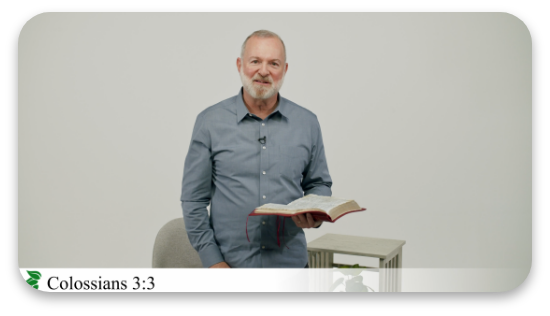
Forgiveness and mercy matter because the adversary would rather have you and I in condemnation and living in sin consciousness, and when we live that way it is very difficult to access the grace of God. In this Grace 2023 Conference session the speaker works forgiveness and mercy through Ephesians 2, where we were dead in trespasses and sins but God, who is rich in mercy, quickened us together with Christ; through Hebrews 4:16, where we come boldly unto the throne of grace to obtain mercy; and through Luke 15, the parable he calls the forgiving father. He closes with the night a county sheriff took him to jail and his own father came to the cell and hugged him.
Transcript
Why the Adversary Wants You in Condemnation and Sin Consciousness
Thank you very much. It’s a privilege to be here with you all, and I trust you guys have been excited as I am, and I’m just sometimes in wonder as far as how much God will do to bless us. And this has been a wonderful weekend. Forgiveness and mercy, what do you think about that? You guys okay with that? Okay. Is there anything you need to know about it? Just thought I’d keep it short tonight. But I can cover a few things.
We’ll get into it. So as you would probably suspect, the adversary doesn’t want you to walk in forgiveness and mercy. And part of the, not even part of the reason, the reason for that is that he would rather have you and I in condemnation and live in sin consciousness. And you know why. Because when we’re living that way, it’s very difficult to access the grace of God in our lives to go forward and bring about great signs, miracles, and wonders, or even reach out to other people. How much fun is it to talk to somebody anywhere when they’re depressed and feeling like they’re not worthy of anything? And that comes from the adversary.
So getting this straightened out in our lives, living in that forgiveness and mercy and the grace administration helps us to walk safely in the time of trouble. And that’s what we want to do. It brings us, you and I, to a point of great confidence in that Christ in us, the body of Christ, and in God our Father.
What Barnabas Saw at Antioch, and Why Mercy Brought Healing
And it brings us to a point of boldness where we can walk forth and not be timid about what we know and what we can do. Jon Ryan covered, I believe it was last night, that verse in Acts 11:23 and 24 when Barnabas went to Antioch. He came and had seen the grace of God and was glad. And I wondered for a long time, what the heck did he see? What could he possibly have seen? Well, I think what we’ve done is answer some of those questions. He certainly saw that, well, let me start with what he didn’t see. He didn’t see people that were sinless.
He didn’t see people that were never tempted or possibly even led a little bit astray. But he did see believers walking and talking and speaking with confidence and boldness because they lived in God’s grace. And they lived without that sin consciousness and condemnation.
Let’s go to Ephesians 2:1. Forgiveness and mercy, if you’ve ever worked it through the Word, you’re going to see that in so many places it’s tied in with healing, being able to be healed and to be able to heal others. If you just think back in your own memory of how much you’ve read about Jesus in the Gospels, how many people came up to him, whether it was the blind, the lepers, and others, and told, ask him for mercy. And he was able to heal them.
Even the forgiveness came up when the man’s sick of the palsy. So the man was, if you had palsy, wouldn’t you be sick of it? I think sometimes it just gets confusing. But he said, thy sins be forgiven thee. And then all those nice people that were standing around the Pharisees and Sadducees said, you know, who is this guy? He can’t forgive sins. And yet Jesus said, hey, take up your bed and walk. Guess what that man needed? He needed some sins forgiven.
Ephesians 2: Dead in Trespasses and Sins, Children of Wrath
Did I tell you to turn to Ephesians 2:1? Oh, good. Ephesians 2:1. I’m going to read this first verse. Remember that there’s three words in that verse that are italicized. And that means they weren’t in the original. So I’m going to read it like it is, and then we’ll get the full impact of it. And you, yes, you can look at me.
You were dead in trespasses and sins. Isn’t that something? See, that’s not where we wanted to stay. But that’s where we were. And that’s where a lot of people are. Wherein in time past, it gets worse, folks, you walked according to the course of this world, according to the prince of the power of the air, the spirit that now worketh in the children of disobedience.
Who’s he talking about? Certainly not us, right? Couldn’t be about us. We were never dead in trespasses and sins, were we? Well, if we weren’t, Jesus Christ came for naught. Ephesians 2:3, among whom also, well, there it goes.
How many people had it? Ten percent? Five percent? It says all had our conversation in times past in the lusts of our flesh, fulfilling the desires of the flesh and of the mind, and were by nature the children of wrath, even as others. Being the child of wrath, you know how hard that would be? You think living as a believer is hard? Hard to learn, hard to think about? Living as a child of wrath, it’s like living on the side of a mountaintop, and it’s cloudy and getting dark, and you want to come down. It’s hard to know where to step.
God’s grace and mercy and his forgiveness allows us not to get into those situations. So folks, this grace is about us, us staying out of the adversary’s footprint. It’s a very precarious situation for people to be in when they’re living that way, and yet how many people live that way every day? No wonder they’re anxious. No wonder they can’t figure out life. No wonder you get honked at when you don’t turn your turn signal on. There’s a lot of impatience out there.
When Men Choose Not to Believe in God, They Believe Anything
I read an article by, we won’t know him, I didn’t know him until I read the article. His name is David Daintree, but I thought I’d give him the credit. It says when men choose not to believe in God, he said, they do not therefore believe in nothing. They become capable of believing in, guess what, anything, but not God. I think that we see that in our culture today, where people will believe in anything, whether it’s genders. How could somebody get that wrong? Victims of this, that, and the other thing, whether it’s race, abuse.
I’m not for those things, don’t get me wrong. Believing that the earth is going to be annihilated by, you know, I read in the newspaper since 1923, there have been 45 scientists that said that the earth was going to be dead in less than 10 years. It gets a little hard to believe, don’t it? Narcissism, you all in for the woke-ism, they believe in anything except the power of God.
But God, Who Is Rich in Mercy, Rescued Us From Destruction
But, Ephesians 2:4 says, I love this but, but, but God who is rich in what? Mercy. Why? Why was he so rich in mercy for his great love, wherewith he loved us? That’s why he had this great mercy for us. And we needed it, folks.
We needed to get out of the mess that the adversary had caused with the course of this world. Verse 5, even when we were dead in sins, that’s where we were, we were dead in sins, hath quickened us together with Christ. By grace you’re saved. That form that we had before we got born again was going to be destroyed, discarded. But he saved us. He saved us from destruction.
I’ll put it that way. He saved us from destruction by putting forth his Son, the Lord Jesus Christ. We were rescued from destruction, that’s what God did for us, by the works of Jesus Christ.
That is incredible to me. Have you ever gone to a dog rescue place, walked down the aisle and all these dogs are looking up at you? What do they say to you? Bark? No. No, they look at you and they look like, pick me, pick me, pick me. Go walk through and try to keep your spirits up by the time you’re done with it. And try to come out the other end without a dog. It’s hard.
But there’s those people in the world that say the same thing. As you walk by, they see that you’re different. They see that you have something that they want. And in their eyes, they know that they don’t have it. Their eyes are saying, pick me, pick me. Well, you don’t have to pick them all, but you could pick a few of them, right? Edna’s good at that.
My wife is good at that. But it’s usually me she picks up. Verse six, and hath raised us up together and made us sit together in heavenly places in Christ Jesus.
For by Grace Are Ye Saved Through Faith, Not of Works
That’s our place. That in the ages to come he might shew the exceeding riches of his grace, and that’s what we’ve been learning. We haven’t seen it all. We can’t see it all. We’re going to see it after the return, and his kindness toward us through Christ Jesus. For by grace ye are saved.
I wouldn’t have known how to get there any other way. What would you do? The Pharisees tried the works thing. The scribes tried the study thing. But they wouldn’t even believe Jesus when he walked by them.
That in the ages to come he might shew the exceeding riches of his grace and in his kindness toward us through Christ Jesus. For by grace you are saved through faith and not of yourselves. It is the gift of God. It’s not of works, lest any man should boast.
The Word of God Divides Asunder Soul and Spirit
Turn to Hebrews 4. Hebrews 4, verse 9, it says, there remaineth therefore a rest to the people of God. Verse 4:12 says, for the word of God is quick and powerful and sharper than any two-edged sword, piercing even to the dividing asunder of soul and spirit and of the joints and marrow, and is a discerner of the thoughts and intents of the heart. What lives in our heart? Well, that seed of our personal being, sometimes it’s what settles in there is our own sin consciousness and condemnation.
But the word of God can cut that out, and that’s how we have to live. Neither is there any creature that is not manifest in his sight, but all things are naked and opened unto the eyes of him with whom we have to do. Seeing then that we have a great high priest that is passed into the heavens, Jesus the Son of God, let us hold fast our profession.
Come Boldly Unto the Throne of Grace: The Lord Is Plenteous in Mercy
For we have not, now this is incredible, we have not an high priest which cannot be touched with the feeling of our infirmities, but was in all points tempted like as we are, yet without sin. So, what was the reason for that? So, if you quit reading right there, it’s like, okay, well, that was a nice couple of verses, but what are we supposed to do because of all this? Well, the next verse says, let us therefore come boldly unto the throne of grace that we may obtain what? Mercy and find grace to help in time of need. Doesn’t mean there’s never going to be a time of need.
We’re going to need God’s help. We’re going to need grace. We’re going to need the love of God. We’re going to need the love of the body. We’re going to need each other. We’re going to need our families, other born-again people, because there’s going to be times of need where we need some help.
Psalm 103:8 is a great verse. The Lord is merciful and gracious. He is slow to anger and he’s plenteous in mercy. So, guess what? If I was plenteous in money, what would that mean? I would never run out. I could give you whatever you wanted and I would still have plenty. So, turn your Bibles to Luke 15.
Who Came to Hear Jesus: Publicans, Sinners, Pharisees and Scribes
You know, I learned this lesson and I’m bringing this incident up now because, not that I think I can get through it, but maybe you’ll listen to the rest of what I have to say. I learned this lesson 50 years ago. Luke 15 verse 1. Here is the people that were listening to Jesus during this time of these parables.
Verse 1. Who drew nigh unto Jesus when he sat down to start telling parables? It says the publicans, who were what? The tax collectors. Everybody loved them. They were the celebrated people of the country. And guess who else came to listen to them? The sinners. I read one definition that said, these are the men and women that were devoted to sinning. I thought that was an interesting way to describe it.
If you’re devoted to basketball, what do you do? Play basketball. If you’re devoted to sin, you sin. And guess what? And the Pharisees, verse 2, and the scribes. Now, the Pharisees were the people that had the works. They had their end of this works things to get to God and get celebration. And the scribes, I didn’t really understand for a long time, but as I understand it, and you guys can teach me later, but they were the people that took on the more difficult questions of the law.
To go through the law and then answer things that others couldn’t. But you know, so they knew a lot about the law and they were sure happy to go sit with Jesus too, weren’t they? No. They murmured, saying, this man receiveth sinners and eateth with them. Isn’t that something? That’s what they thought of Jesus. That’s what they thought of the grace of God at that point. It would appear that the publicans and the sinners at least understood a portion of what forgiveness, mercy, and grace meant because they were willing to listen to the word of God that Jesus taught.
The Prodigal Son, or as I Call It, the Forgiving Father
And in this record that he taught, verse 3, it says, and he spake this parable unto them saying, I’ll just tell, I’ll tell you what the parable is. It’s called in your Bible, probably the prodigal son. I’ve always called it the forgiving father because it’s more apropos to how the, what happened in that situation.
Man had two sons and he was fairly prosperous. And the one, the younger one said, you know, dad, this work ain’t for me. I want my inheritance now. And then I’ll just do my own thing. So the forgiving father said, all right, son, you deserve the inheritance. Why don’t you go ahead and take it or I’ll give it to you. And he took off. And you remember, if you read the record, you know, he went out and did riotous living. He just wasted all the money.
He spent all of it. Eventually, after he got a job feeding the pigs and eating what the pigs left for him, because there was a famine in the land, he got woke up. So he said, man, even my servants eat better than this at my house. So I’m going to go back and I’m going to just tell my dad that I really screwed up. And if I could just be a hired servant, I’m happy to do that. And he arose, came to his father.
But when he was a great way off, his father saw him itself. I think the original text says it smelled him because he had been living, remember, he lived with the pigs. I could be wrong. Just a little joke. But you got to remember, then you’re going to see just in a few verses, one of the first things he had him do is bring out a robe for him. I’ll show you that.
That compassion is also many times tied in with healing records, along with mercy and forgiveness. And the son said unto him, father, I have sinned against heaven and in thy sight, and am no more worthy to be called thy son. That’s what the younger son said.
A Parable Is a Comparison: We Become Living Signs of Mercy
Now, a parable isn’t exactly, it isn’t untrue, but it isn’t true to fact. It’s a comparison of one thing with another. And the comparison in this particular section of scripture is, the forgiving father was God and the son was a rebellious son. So the father, the son came in and said, I really screwed up. I don’t deserve to be here. But the father said to his servants, bring forth, there it is, the best robe.
See, told you. And put it on him, and put a ring on his hand, and shoes on his feet. So I was kidding about that. And bring hither the fatted calf, and kill it, and let us eat, and be merry. For this my son was dead, and is alive again. He was lost, and is found. And they began to be merry. I get a picture of the forgiving father embracing his son and saying, nevermind what you’ve done, just come home. And I think that’s what God wants for his people.
And sin consciousness and condemnation and other things can hold us back from just coming home. See, when we accept God’s mercy and forgiveness, we become living signs of God’s love and his forgiveness and his compassion and mercy to everyone. They can see it in us because we’ve accepted it. They can see it in our walk. They can see it in our talk. They can see it how we carry ourselves.
They can see it just in the things that we do, how we look at them. We show others the grace of God that we have day by day. We show people how to be released from the bondage of the world. We have leniency, clemency and all of that stuff. We have that love that responds to the human need in an unexpected and unmerited way.
The Night the County Sheriff Took Me to Jail
So my incident, I don’t know if I can get through it, but I was in jail. Oh, so now you don’t want to listen anymore. Well, the county sheriff picked me up and he took me. Okay, so if you don’t, nobody else in here has been in jail, I don’t suppose. Don’t raise your hands. So if this is a sensitive thing to you, I’ll just say the county sheriff, with his lights blasting, took me to an ice cream shop. Is that okay? In the ice cream shop, it was about this big.
I bet it was made out of bars. It was an unusual one. And you had your own little room and they locked it for you so nobody would steal your ice cream. So I like this county sheriff. He was a nice guy. I never blamed him for nothing. It was my fault. I didn’t deny it. But you know, the rat did.
I think what he read, he ratted me out. He called my dad, and so I hadn’t even gotten my ice cream yet and my dad walks in the door and he had no ice cream. So my dad was a rancher farmer who, oh, you wouldn’t, Edna, would you call him a gentleman? He wouldn’t fit in in a prom probably.
He was a fighter. Our family, we always knew we were loved and cared for. But when he came in, I wasn’t sure if he was going to hit me or if he had an ice cream cone. So he walked up to the cell and I had to wait. He walked there and he grabbed my arm. Then he grabbed the other arm, pulled me to the bars and he gave me a big hug.
Dean, I Love You: What My Father Did at the Cell
And he said, now this is 51 years ago. I’ve never shared this with anybody. Our family was a loving family, but we weren’t huggers, okay. Then he said, Dean, I love you. I can get the money to bail you out tomorrow morning if you want. I said, no, I’ll be out tomorrow morning. He walked away. He said, well, if you change your mind, let me know. And he never brought it up again once.
So there was the example I got of what a father means. And through the years, I’ve thought of that example many, many times. And this record we just read, but it helped to lead me to how to treat people. If he had to come in there and put me in condemnation and sin consciousness, I don’t know if I’d ever went back to the ranch. I couldn’t have lived that way. But he didn’t do that.
Just like our Heavenly Father doesn’t do that. He would never put us into condemnation or sin consciousness. He wants us victorious in everything.
Twenty Years Later My Father Got Born Again
I’m sure that wasn’t the first time he hugged me, but certainly since I’d been an adult. And it wasn’t the last time because he gave me one more hug. I had been trying to get him born again for years. This was before I even knew, I mean, before I even knew what a King James Bible was. I remember that incident from the jail. And I related that to our Heavenly Father.
But the next hug I got was about 20 years later. And he wouldn’t talk about such things, but he asked me to come out to the shop with him. And he said, Dean, I know you’ve been trying, but I got born again. He said, two fellows came in. I don’t know what denomination, but they taught him from the Word of God. And he gave me a big old hug.
So the lesson that I learned about forgiveness and mercy was originally from an unbeliever father to an unbeliever riotous son. And it’s stuck with me for 50 some years now. And it’s been a very, I know the reason I never shared it because of this. I just got too emotional. And, but when Rico asked me about teaching and he gave me the subject, I knew I was in trouble. I knew that I wasn’t going to be able to get away from this.
God Sent His Word and Healed Us
And even on my notes, I say, omit this thing. And then sometimes God knows what people need more than I do. So, well, I want to say that God sent his Word. I don’t want to say it. I’m going to say it. God sent his Word and healed us.
And that’s what God wants for us. He said, beloved, I wish you above all things that thou mayest, what, prosper and be in health. So I didn’t want to go into that jail with the county sheriff, even though he was nice. He lied about the ice cream. But many people put themselves in jails of their own choosing. And we need to get out of those, folks.
The Red Bucket and the Wheelbarrow: Time to Clean Out the Mind
I have another illustration from the farm, if you want to hear it, if you have time. I think I can handle this one a little bit better. Whenever I see a red bucket or a wheelbarrow, I know what that means. Because my dad would, in the morning, he’d say, Dean, go get the red bucket. Now the red bucket wasn’t a bucket, but it was a tractor with a red bucket. And he’d say, go get the red bucket, which meant I knew I had to get the tractor.
And then he’d say, go and bring the wheelbarrow too. And I’d say, crap, because I know what that meant. I was going to be shoveling crap all day. So when I see a red bucket to this day, or a wheelbarrow, I think, time to clean up the mind. Let’s clean her out. Let’s get rid of anything that holds us back from the greatness of God’s word.
And let the body of Christ help us with it. So I sure appreciate you putting up with me here today. And I think that’s about as far as I’m going to go on that. So thank you.
Key Takeaways
- The adversary would rather have you and I in condemnation and live in sin consciousness, because when we’re living that way it’s very difficult to access the grace of God in our lives to go forward and bring about great signs, miracles, and wonders, or even reach out to other people.
- What Barnabas saw at Antioch was not people that were sinless or never tempted, but believers walking and talking and speaking with confidence and boldness because they lived in God’s grace, without that sin consciousness and condemnation.
- Ephesians 2 says we were dead in trespasses and sins and were by nature the children of wrath, even as others, but God, who is rich in mercy, for his great love wherewith he loved us, hath quickened us together with Christ.
- Hebrews 4:16 is the practical instruction: let us therefore come boldly unto the throne of grace that we may obtain mercy and find grace to help in time of need. It doesn’t mean there’s never going to be a time of need.
- The speaker calls the prodigal son the forgiving father, because the comparison in the parable is that the forgiving father was God and the son was a rebellious son, and the father’s answer to I have sinned is the best robe, a ring, shoes and the fatted calf.
- His own father came to the jail cell, pulled him to the bars, hugged him and said, Dean, I love you, and never brought it up again. That is the picture of a Heavenly Father who would never put us into condemnation or sin consciousness.
Frequently Asked Questions
What did Barnabas see when he came to Antioch?
He did not see people that were sinless, and he did not see people that were never tempted or possibly even led a little bit astray. What he saw was believers walking and talking and speaking with confidence and boldness because they lived in God’s grace, and because they lived without that sin consciousness and condemnation. That is what Acts 11:23 means when it says he had seen the grace of God and was glad.
Why does the adversary want believers living in condemnation and sin consciousness?
Because when we’re living that way, it’s very difficult to access the grace of God in our lives to go forward and bring about great signs, miracles, and wonders, or even reach out to other people. The speaker asks how much fun it is to talk to somebody when they’re depressed and feeling like they’re not worthy of anything. Living in forgiveness and mercy instead brings confidence in Christ in us and the boldness to walk forth.
Why is the parable of the prodigal son called the forgiving father?
Because that title is more apropos to what happened in that situation. A parable is a comparison of one thing with another, and here the forgiving father was God and the son was a rebellious son. When the son says he is no more worthy to be called thy son, the father calls for the best robe, a ring on his hand, shoes on his feet and the fatted calf. The picture is the forgiving father embracing his son and saying, nevermind what you’ve done, just come home.
Scripture References
Acts 11:23; Acts 11:24; Ephesians 2:1; Ephesians 2:2; Ephesians 2:3; Ephesians 2:4; Ephesians 2:5; Ephesians 2:6; Ephesians 2:7; Ephesians 2:8; Ephesians 2:9; Hebrews 4:9; Hebrews 4:12; Hebrews 4:13; Hebrews 4:14; Hebrews 4:15; Hebrews 4:16; Psalm 103:8; Luke 15:1; Luke 15:2; Luke 15:3; Luke 15:20; Luke 15:21; Luke 15:22; Luke 15:23; Luke 15:24; Psalm 107:20; 3 John 2
This text was prepared from the teaching audio. Please verify scripture references against your own Bible.