Overview
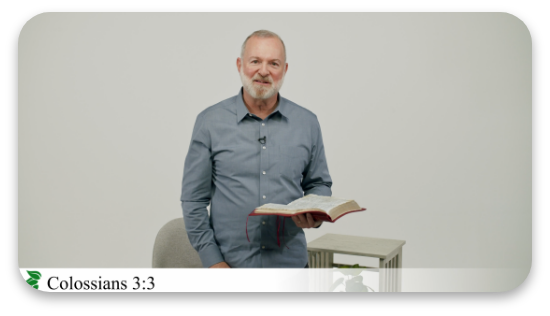
Jesus Christ advanced in grace with God and man by walking in wisdom, which meant hearing and doing the will of God, and that walk moved in two directions at once: he accessed God’s grace, and he demonstrated God’s grace to people. In this Grace 2023 Conference session, Dr. Andy Richard opens Luke 2:40 and 52, where the child grew and waxed strong in spirit, filled with wisdom, and where Jesus increased in wisdom and stature and in favour with God and man. He traces both halves of that advance through the temple at twelve years old, the all-night prayer before choosing the twelve apostles, Gethsemane, the widow’s son at Nain, the parable of the two debtors, and the woman taken in adultery.
Transcript
Jesus Christ Increased in Wisdom and in Grace
For the privilege and opportunity to share God’s word with you this morning on our Lord and Savior, Jesus Christ. Again, the title of this teaching is Jesus Christ, through wisdom, advanced in grace with God and man. Please turn in your Bible to Luke chapter 2. In case it hasn’t been already obvious from what we’ve heard, everyone needs grace from God, and Jesus Christ certainly needed God’s grace.
God certainly provided. In Luke chapter 2, we’ve been to some of these verses but we’ll go to them again. Luke chapter 2 and in verse 40. And the child grew and waxed strong in spirit, filled with wisdom, and the grace of God was upon him. As a child, of course, Jesus Christ physically grew, but he also grew spiritually. He became spiritually strong, being filled with wisdom, and God’s grace was upon him.
Let’s jump to verse 52 of Luke chapter 2. And Jesus increased in wisdom and stature, and in favour with God and man. The word increased means to proceed or to advance, and favour is the same word from verse 40, grace. Jesus advanced in wisdom and stature and grace with God and with man.
This verse is still in the context of Jesus Christ before he started his earthly ministry. We can see a clear picture that even in his youth, Jesus Christ advanced spiritually in God’s wisdom hand in hand with his grace. From verse 40 to verse 52, we see one notable addition, and that man is included in verse 52.
Jesus Christ’s advancement in spiritual wisdom and in God’s grace was now spilling over unto mankind. We see wisdom and grace tied together in Jesus Christ’s life in both of these verses. So let’s consider for a moment, what is it to walk in spiritual wisdom, godly wisdom, or wisdom from above?
The Wise Man and the Foolish Man: What the Walk of Wisdom Is
Please turn to Matthew chapter 7. We’ll see in this record Jesus Christ teaching about the wise man and the foolish man, and we’ll understand a little bit more about this walk of wisdom. In Matthew chapter 7, verse 24 and 26, we’ll read, Therefore whosoever heareth these sayings of mine and doeth them, I will liken him unto a wise man which built his house upon a rock. And every one that heareth these sayings of mine and doeth them not shall be likened unto a foolish man which built his house upon the sand.
Since Jesus Christ is teaching God’s will, we can conclude that to walk in spiritual wisdom is to hear and to do the will of God. Now logically this actually makes a lot of sense. Is there anyone wiser than God? No.
God knows the end from the beginning of all of life. There are no challenges that surprise him, no problems that he is not already prepared for. He knows all.
So if he says go this way or go that way, say this or do that, it might be mighty wise for one to hear and do what his will is. This is the walk of wisdom. The more Jesus Christ heard the will of God and did the will of God, the more he personally experienced the wisdom of God in his own actions.
Therefore, the more wisdom he personally gained. As we read in Luke chapter 2 verse 40 and 52, even as a child, a young man, he was filled with wisdom. Now this is rather incredible to think about, meaning he had persistently heard and done the word even as a child to the point that he was now filled with the wisdom of God.
It’s not something you normally think about with a child. We normally think of foolishness being bound in the heart of a child, right? But Jesus Christ heard and did the word every single time, and therefore he was filled with godly wisdom. Now let’s consider grace.
We know that God’s grace was made available to Jesus Christ from Luke 2:40, and we know that Jesus Christ advanced, or he moved forward, in grace according to Luke chapter 2:52. So how does he, and how does anyone, for that matter, advance in grace? We’ll look at two categories in which Jesus Christ advanced in grace with God and man. Through the walk of wisdom, Jesus Christ advanced in one, accessing God’s grace, and two, he advanced in demonstrating God’s grace to mankind. We will look at a variety of illustrations from the scripture that show us God’s grace in Jesus Christ’s life.
How Jesus Christ Advanced in Accessing God’s Grace
Let’s look at that first aspect of his accessing God’s grace. How did Jesus Christ advance in accessing God’s grace? One way he did this, and we’ll see this from the scripture, is that he pursued the will of God continuously and he became subject to God in all of his ways. You don’t need to turn there, but in John 5:30 it says, I can of mine own self do nothing, as I hear I judge, and my judgment is just because I seek not mine own will but the will of the Father which hath sent me.
He sought out God and what God wanted all the time, and he continuously chose with a tender and receptive heart to replace his own will and to pursue God’s will in every situation. Each and every time he did this, he accessed more of God’s grace. Turn back to Luke chapter two, please.
At Twelve Years Old, Seeking God in the Temple
So we just read that Jesus Christ didn’t seek his own will, but he sought the will of the Father. So how did Jesus Christ seek the will of the Father? Well again, in his youth we will see in Luke chapter two, in the section between the two verses we read, starting in verse 42 of Luke chapter two. And when he was twelve years old, they went up to Jerusalem after the custom of the feast.
And when they had fulfilled the days, as they returned, the child Jesus tarried behind in Jerusalem. And Joseph and his mother knew not of it. But they, supposing him to have been in the company, went a day’s journey.
And they sought him among their kinsfolk and acquaintance. And when they found him not, they turned back again to Jerusalem, seeking him. And it came to pass that after three days they found him in the temple, sitting in the midst of the doctors, both hearing them and asking them questions.
And all that heard him were astonished at his understanding and answers. And when they saw him, Mary and Joseph, they were amazed. And his mother said unto him, Son, why hast thou thus dealt with us? Behold, thy father and I have sought thee sorrowing.
And he said unto them, How is it that ye sought me? Wist ye not that I must be about my Father’s business? One place to hear the word of God, the will of God, in the time of Jesus Christ would have been here at the temple, where the most knowledgeable scholars and teachers of the law would have been in the house of the Lord. The law and the prophets, the word of God in Jesus Christ’s time, would have also been kept on scrolls in the temple. It wasn’t like today where we all have cell phones and smart devices, where we have all sorts of different scripture readily at hand at every moment.
This was the house of the Lord, and it was where Jesus Christ sought the Lord. At the age of 12, we see Jesus seeking the will of God, well before his ministry started at age 30. He is aware of God’s will for his life and undeterred by any circumstances to hear and to do the will of the Father.
It seems obvious that he had obviously received teaching from his parents of God’s word, but more than that he listened, and he received it so much so that his understanding and answers elicited astonishment from the scholars in the temple.
A Vibrant Prayer Life: All Night in Prayer Before Choosing the Twelve
Please turn to Luke chapter 6. How else did Jesus Christ seek the will of God? Jesus Christ pursued a personal relationship with his Father, principally by means of a vibrant and faithful prayer life. Jesus kept God involved in every aspect of his life and had the humility to listen and to accept God’s will in each and every situation.
You don’t need to turn there, I’ll read a couple verses. In Mark 1:35 it says, And in the morning rising up a great while before day, he, this is Jesus, went out and departed into a solitary place and there prayed. And Luke 5:16 says, And he withdrew himself into the wilderness and prayed.
Clearly getting time with the Father undistracted was Jesus Christ’s desire and his habit. Now in Luke chapter 6 we’ll read verse 12 and 13. And it came to pass in those days that he went out into a mountain to pray and continued all night in prayer to God.
And when it was day he called unto him his disciples, and of them he chose twelve, whom he also named apostles. This of course would have been a very big decision in the life and ministry of our Lord and Savior Jesus Christ. Who were going to be the 12 disciples that not only he would teach, but then would carry on his message into the next administration?
He wisely sought out God and his advice. What was God’s will for this decision? He spent that extended time in prayer with the Father, thereby accessing God’s wisdom and his grace to apply to this specific situation.
Ask, Seek, Knock: Teaching People How to Access God’s Grace
Turn in your Bible to Matthew chapter 7 please. Here we come upon a record of Jesus Christ teaching others about prayer to God. In Matthew chapter 7 and in verse 7 we start, Ask and it shall be given you. Seek and ye shall find. Knock and it shall be opened unto you.
For every one that asketh receiveth, and he that seeketh findeth. And to him that knocketh it shall be opened. Or what man is there of you, whom if his son ask bread, will he give him a stone? Or if he ask a fish, will he give him a serpent? If ye then being evil know how to give good gifts unto your children, how much more shall your Father which is in heaven give good things to them that ask him?
Here we see Jesus Christ living and teaching this active pursuit of God in prayer, which in turn increased his ability to access these good things, i.e. God’s grace that we’ve been learning about. God’s grace is available and Jesus Christ is teaching people how to access it. When someone doesn’t know how to proceed in a situation or a challenge, seek out and knock on the Father’s door and ask him.
Pursue God in his righteous will and God’s grace will cover everything that you need.
Gethsemane: Not as I Will, but as Thou Wilt
Let’s look at another record toward the end of Jesus Christ’s life. Turn to Matthew chapter 26, familiar section of the scripture.
Right before Jesus Christ is to be taken into custody by the chief priest, we see him in intense prayer. In Matthew chapter 26, we’ll start in verse 36. And he went a little further and fell on his face and prayed, saying, O my Father, if it be possible, let this cup pass from me.
Nevertheless, not as I will, but as thou wilt. And he cometh unto the disciples and findeth them asleep, and saith unto Peter, What, could ye not watch with me one hour? Watch and pray that ye enter not into temptation. The spirit indeed is willing, but the flesh is weak.
He went away again the second time and prayed, saying, O my Father, if this cup may not pass away from me except I drink it, thy will be done. And he came and found them asleep again, for their eyes were heavy. And he left them and went away again and prayed the third time, saying the same words.
One cannot quite imagine the sadness, the sorrow, as it mentions, and the challenge that Jesus Christ is facing. He’s challenged. There’s no way to look at it any other way.
But what does he do in that situation? He goes to God three times to ask his will. As it’s obvious from the record, his will would not have been to endure what was about to happen. But he was aware of the pain and suffering that would soon transpire.
Yet despite all that, he had the tender and meek-hearted response of, not as I will, but as thou wilt. He was willing to accept the will of God and to do it rather than his own will. And he went to his Father, and in so doing, accessed God’s grace.
Much needed grace to sustain him, to fulfill the law, enduring the physical torture and the mental anguish up to and including the cross. So how did Jesus Christ walk in wisdom in advancing and accessing God’s grace? He did it by seeking God and his will through the scripture and through prayer. He made a habit of getting God involved in everything and kept that meek and tender heart to receive God’s will and make it his own.
His lifestyle of accessing God’s grace all the time was absolutely necessary for him to carry out the salvation of man.
Demonstrating God’s Grace Through Giving and Forgiving in Loving Service
Now let’s look at our second aspect, Jesus Christ advancing in demonstrating God’s grace to mankind. So how did he do this? Well we’ll see in the scripture, but principally he did this through giving and forgiving and loving service.
Raising the Widow’s Son at Nain
Let’s turn in your Bibles back to Luke chapter 7. As Jesus Christ gained more and more spiritual wisdom and he accessed more of God’s grace, the opportunities to demonstrate God’s grace multiplied. We will see God’s grace in this record in the form of giving and loving service. In Luke chapter 7, we’ll start in verse 11.
And it came to pass the day after that he went into a city called Nain, and many of his disciples went with him, and much people. Now when he came nigh to the gate of the city, behold there was a dead man carried out, the only son of his mother, and she was a widow, and much people of the city was with her. And when the Lord saw her he had compassion on her, and said unto her, Weep not.
And he came and touched the bier, and they that bare him stood still, and he said, Young man, I say unto thee, arise. And he that was dead sat up and began to speak, and he delivered him to his mother. And there came a fear on all, and they glorified God, saying that a great prophet is risen up among us, and that God hath visited his people.
And this rumour of him went forth throughout all Judaea and throughout all the region round about. Let’s continue and jump down to verse 21. And in that same hour he cured many of their infirmities and plagues and of evil spirits, and unto many that were blind he gave sight.
Then Jesus answering said unto them, Go your way and tell John what things ye have seen and heard. How that the blind see, the lame walk, the lepers are cleansed, the deaf hear, the dead are raised, to the poor the gospel is preached. We can see aspects of Jesus Christ giving throughout all the gospels obviously, but I think it’s illustrated especially so in this record.
Teaching God’s word, raising the dead, healing the sick, casting out devil spirits, all would fall under this giving in service. In this record of Jesus’ life God’s grace is on full display for people to see. God’s care and favor and goodwill toward man is overflowing to his people through the life and ministry of his son Jesus Christ.
When Service Makes People Glorify God, You Know It Was Grace
And guess what? God was glorified in this situation as he ought to. Brief side note about demonstrating grace in service. If giving in service causes people to react by giving God the glory, you know that it was a demonstration of God’s grace. He was involved.
If the glory goes to an individual primarily it’s likely that it was not God that was involved. It was not a demonstration of God’s grace but rather in man’s own ability.
Compassion Is the Heart of God: He Graced Many With Sight
Back to verse 13 of this record, we see the heart of loving compassion in Jesus Christ as he ministered the grace of God. It says, And when the Lord saw her he had compassion on her and said unto her, Weep not. This heart of loving compassion is key in service as it is the very heart of God himself. Remember what it says in John 3:16, For God so loved the world that he gave his only begotten Son, that whosoever believeth in him should not perish but have everlasting life.
God was the first to give out of love and Jesus Christ is following in that same suit. Jesus Christ’s loving service to raise this widow’s son from the dead most certainly demonstrated God’s grace toward her. Interesting note in verse 21 of this record where it says unto many that were blind he gave sight.
That word gave in the Greek is actually could be translated the verb form of grace. So you could actually read it as unto many that were blind he graced with sight. That’s pretty cool.
And it’s quite clear that giving and loving service is paramount in demonstrating God’s grace to man.
The Two Debtors: Forgiveness Is Grace in Action
Let’s continue in Luke chapter 7 but jump down to verse 41. And we’ll see Jesus Christ teaching a parable to a Pharisee named Simon. Luke chapter 7 verse 41. There was a certain creditor which had two debtors. The one owed five hundred pence and the other fifty.
And when they had nothing to pay he frankly forgave them both. Tell me therefore which of them will love him most? Simon answered and said, I suppose that he to whom he forgave most. And he, Jesus Christ, said unto him, Thou hast rightly judged.
Interesting in verse 42 and 43 where it says frankly forgave and forgave. This is that same word. This is grace in action.
Clearly forgiveness is indeed grace in action. It’s also interesting to see as we look at these records how love and seem to go hand in hand throughout these records.
The Woman Who Washed His Feet With Tears
Let’s continue in the same section verse 44. And he turned to the woman, Jesus, and said unto Simon the Pharisee, Seest thou this woman? I entered into thine house and thou gavest me no water for my feet, but she hath washed my feet with tears and wiped them with the hairs of her head. Thou gavest me no kiss, but this woman since the time I came in hath not ceased to kiss my feet. My head with oil thou didst not anoint, but this woman hath anointed my feet with ointment.
Wherefore I say unto thee, her sins which are many are forgiven, for she loved much, but to whom little is forgiven, the same loveth little. And he said unto her, Thy sins are forgiven. And they that sat at meat with him began to say within themselves, Who is this that forgiveth sins also? And he said to the woman, Thy faith hath saved thee, go in peace.
Remarkable record. Jesus forgiving this woman’s sins.
And again we see love and forgiveness, or love and grace, going hand in hand in this record as well. To forgive this woman’s sin is certainly God’s favor upon this woman and she certainly knew it. Another great record to consider on this subject is that of Jesus Christ washing the feet of his disciples in John 13.
The Crucifixion: The Pinnacle of God’s Grace Demonstrated
Jesus Christ’s loving service to his disciples demonstrated God’s grace and taught them how to live it as well. How to demonstrate God’s grace to one another. It was out of God’s heart of loving compassion that he graced mankind with a savior.
Mankind certainly did not deserve Jesus Christ nor what Jesus Christ accomplished for man. And there’s no doubt that by saving mankind by sending his son to die on the cross was doing man a slight bit of a favor. So in like manner Jesus Christ’s heart of compassion fueled the demonstration of God’s grace in his life and ministry by giving and forgiving in loving service.
The pinnacle of demonstrating God’s grace to man was Jesus Christ giving his own life at the crucifixion. No man has ever demonstrated more of God’s grace than the only begotten son of God. He gave his own life in service to save all of mankind.
What amazing grace we have in Christ Jesus.
The Woman Taken in Adultery: Access and Demonstration Together
Turn your Bibles to John chapter 8 and we’ll close with one last record that brings both the access and the demonstration of God’s grace into view together in the walk of wisdom in the life of our Lord and Savior Jesus Christ.
In John chapter 8 we’ll start in verse 1. Jesus went unto the mount of Olives. And early in the morning he came again into the temple, and all the people came unto him, and he sat down and taught them. And the scribes and Pharisees brought unto him a woman taken in adultery, and when they had set her in the midst, they say unto him, Master, this woman was taken in adultery, in the very act. Now Moses in the law commanded us that such should be stoned, but what sayest thou?
This they said, tempting him, that they might have to accuse him. But Jesus stooped down and with his finger wrote on the ground, as though he heard them not. So when they continued asking him, he lifted up himself and said unto them, He that is without sin among you, let him first cast a stone at her. And again he stooped down and wrote on the ground.
And they which heard it, being convicted by their own conscience, went out one by one, beginning at the eldest even unto the last, and Jesus was left alone, and the woman standing in the midst. When Jesus had lifted up himself and saw none but the woman, he said unto her, Woman, where are those thine accusers? Hath no man condemned thee? She said, No man, Lord. And Jesus said unto her, Neither do I condemn thee, go and sin no more.
In this record Jesus Christ was challenged by the religious rulers and put into a difficult position. On the one hand the law was the will of God broadly, yet he sought God’s will for this specific situation. So as his habit was, he got God involved. He blocked out the noise and went to the Father to inquire what his will was for the situation. He prayed. He accessed the very grace of God, and as always God provided the deliverance. He provided the solution, his will, and Jesus Christ received it and he acted upon it.
He spoke, and in so speaking this wisdom from above, the challenge melted away. Jesus Christ himself was protected from the attack and the accusation, and this woman’s life was saved. He could have rightfully condemned her for her sin once everyone was gone, but guess what, he didn’t. He let her go in peace with the wisdom to sin no more.
I’m sure to that woman God’s grace through Jesus Christ was on display more than ever in her entire life. To those he was teaching, they would have seen it as well. Jesus Christ was walking in wisdom as he accessed God’s grace through prayer and demonstrated God’s grace in giving and forgiving in loving service to save this woman’s life. What an amazing example of Jesus Christ’s advancement in wisdom and grace with God and man.
How You and I Can Advance in Wisdom and Grace
So how can you and I advance in wisdom and grace with God and man? We too can decide to access God’s grace by seeking God in his will and then doing it, a lifestyle of getting God involved first, last and everywhere in between, keeping a tender heart ready to run as the Father tells us in the scripture and through our personal relationship with the Father. As we do this our opportunities to share God’s grace with others will expand, and our lives full of grace will overflow as we give and forgive in loving service hand in hand with our heavenly Father. God bless your hearts.
Key Takeaways
- Luke 2:40 and Luke 2:52 tie wisdom and grace together in Jesus Christ’s life before his ministry began: the child grew and waxed strong in spirit, filled with wisdom, and the grace of God was upon him, and he increased in wisdom and stature and in favour with God and man.
- The word increased means to proceed or to advance, and favour is the same word translated grace in verse 40, so verse 52 is describing Jesus Christ advancing in grace, with man now included alongside God.
- To walk in spiritual wisdom is to hear and to do the will of God, which Matthew 7:24 and 26 illustrate with the wise man who built his house upon a rock and the foolish man who built upon the sand.
- Jesus Christ advanced in accessing God’s grace by seeking the Father’s will through the scripture and through prayer: in the temple at twelve years old, in a solitary place before day, and all night on a mountain before choosing the twelve apostles.
- At Gethsemane he went to God three times with the same answer, not as I will, but as thou wilt, and in so doing accessed the grace needed to endure the physical torture and mental anguish up to and including the cross.
- He advanced in demonstrating God’s grace through giving and forgiving in loving service, and in Luke 7:21 the word translated gave is the verb form of grace, so it can be read that unto many that were blind he graced with sight.
Frequently Asked Questions
How did Jesus Christ advance in grace with God and man?
Through the walk of wisdom, in two directions at once. Dr. Andy Richard shows that Jesus Christ advanced in accessing God’s grace by pursuing the Father’s will continuously through the scripture and through prayer, seeking God in the temple at twelve years old and praying all night before choosing the twelve apostles. He also advanced in demonstrating God’s grace to mankind through giving and forgiving in loving service, from raising the widow’s son at Nain to forgiving the woman who washed his feet.
What does it mean to walk in spiritual wisdom?
It is to hear and to do the will of God. Dr. Andy Richard draws that from Matthew 7:24 and 26, where the man who heareth these sayings of mine and doeth them is likened unto a wise man which built his house upon a rock, and the one who doeth them not to a foolish man which built his house upon the sand. No one is wiser than God, who knows the end from the beginning, so it is mighty wise to hear and do what his will is.
How is forgiveness a demonstration of God’s grace?
In the parable of the two debtors in Luke 7, the creditor frankly forgave both men who had nothing to pay. Dr. Andy Richard points out that frankly forgave and forgave in verses 42 and 43 are that same word behind grace, so forgiveness is indeed grace in action. He shows the same thing when Jesus Christ tells the woman who washed his feet with tears, Thy sins are forgiven, and, Thy faith hath saved thee, go in peace.
Scripture References
Luke 2:40; Luke 2:52; Matthew 7:24; Matthew 7:26; John 5:30; Luke 2:42; Luke 2:43; Luke 2:44; Luke 2:45; Luke 2:46; Luke 2:47; Luke 2:48; Luke 2:49; Mark 1:35; Luke 5:16; Luke 6:12; Luke 6:13; Matthew 7:7; Matthew 7:8; Matthew 7:9; Matthew 7:10; Matthew 7:11; Matthew 26:39; Matthew 26:40; Matthew 26:41; Matthew 26:42; Matthew 26:43; Matthew 26:44; Luke 7:11; Luke 7:12; Luke 7:13; Luke 7:14; Luke 7:15; Luke 7:16; Luke 7:17; Luke 7:21; Luke 7:22; John 3:16; Luke 7:41; Luke 7:42; Luke 7:43; Luke 7:44; Luke 7:45; Luke 7:46; Luke 7:47; Luke 7:48; Luke 7:49; Luke 7:50; John 13; John 8:1; John 8:2; John 8:3; John 8:4; John 8:5; John 8:6; John 8:7; John 8:8; John 8:9; John 8:10; John 8:11
This text was prepared from the teaching audio. Please verify scripture references against your own Bible.